






What Makes a Better RFQ for Robotics and Automation Components
 By System Admin
3 months ago
By System Admin
3 months ago

A better RFQ begins with a clearer sourcing brief. Buyers should explain the application, required performance baseline, expected quantity, operating environment, delivery market, project timeline, and any interface or integration constraints that will affect the recommendation. Vague inquiries tend to produce vague quotations, which makes supplier comparison slower and less reliable.
The strongest robotics RFQs reduce avoidable back-and-forth by sharing useful technical context upfront. Drawings, payload targets, environmental conditions, communication preferences, mounting limits, certification requirements, and expected validation steps all help suppliers respond with more realistic scope and fewer assumptions. This is especially important when the product may need customization, branding, or project-level engineering support.
Good RFQs also improve commercial discipline inside the buying organization. When requirements are structured clearly, procurement and engineering teams can compare supplier responses on the basis of scope completeness, documentation quality, lead-time confidence, warranty position, and lifecycle support. That leads to better internal approval decisions and fewer surprises later in the sourcing cycle.
For B2B robotics sourcing, an RFQ is more than an inquiry. It is the document that shapes how quickly suppliers understand the project and how effectively the buyer can separate strong partners from weak ones. That makes RFQ quality a real competitive advantage in procurement execution.
Featured Products
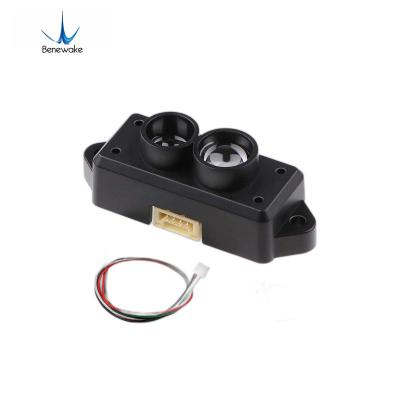
Benewake TFmini-S LiDAR
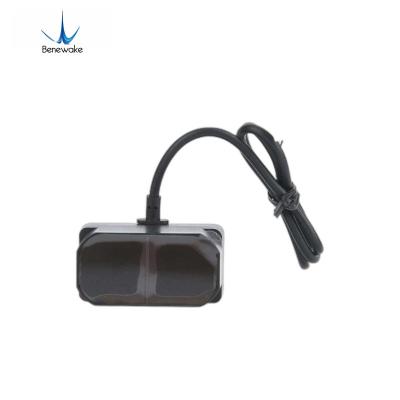
Benewake TFMini-Plus LiDAR
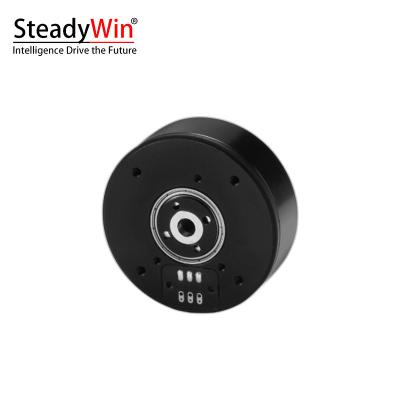
SteadyWin GB4310 Motor