






How to Compare Suppliers for Vision Inspection Cells Projects
 By System Admin
4 months ago
By System Admin
4 months ago
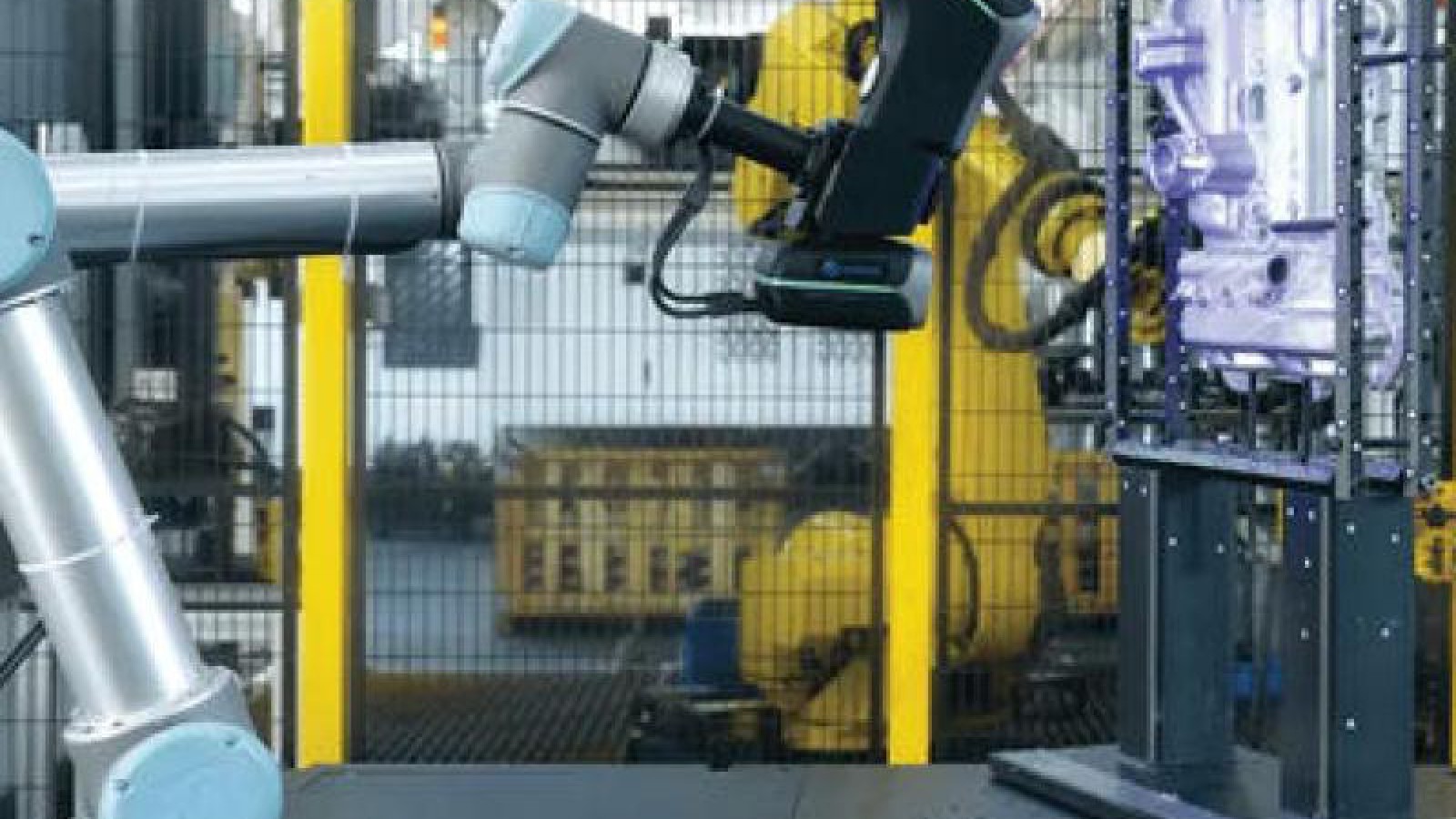
A stronger RFQ for vision inspection cells starts with a clearer sourcing brief. Buyers should explain the actual production problem, the constraints around image capture, defect classification, lighting control, and handoff to robot or reject logic, and the commercial impact of getting the project wrong. Vague briefs tend to produce vague quotations, which makes supplier comparison far less reliable.
That matters in quality-driven manufacturing lines because different suppliers often quote different scopes while presenting them as equivalent. One proposal may assume a full integration package, while another excludes fixtures, upstream interfaces, or launch support. Buyers need to force those assumptions into the open early.
What Buyers Should Ask Suppliers
- Ask whether the supplier can show similar defect classes and tolerances
- Compare pilot data requirements before discussing final pricing
- Review acceptance criteria for false reject and miss rates explicitly
- Confirm what support is included after go-live when edge cases emerge
- Require a clear plan for data retention, traceability, and version control
Compare Operating Fit, Not Only Entry Price
The best commercial decision is usually the one that fits the real site capability. Buyers should compare service readiness, spare-parts logic, documentation quality, and how the supplier supports changeover, maintenance, and post-launch tuning. Those factors often matter more than a lower initial quotation.
For automotive component makers, electronics assemblers, and precision part suppliers, the purpose of a sourcing process is not just to buy automation. It is to reduce project risk and create a stable route to more stable inspection, faster defect feedback, and better process transparency. Teams that evaluate vision inspection cells that way usually shortlist stronger long-term partners.
Featured Products
Benewake TFmini-S LiDAR
Benewake TFMini-Plus LiDAR
SteadyWin GB4310 Motor