







How to Validate Data, False Reject Rates, and Handover Terms Before Buying AI Automation
 By System Admin
3 months ago
By System Admin
3 months ago

Buyers often focus on whether an AI automation concept is technically possible, but the procurement risk usually sits elsewhere. The bigger question is whether the project can be validated, accepted, and handed over without ambiguity. That requires disciplined discussion about data quality, false reject tolerance, acceptance logic, and who remains responsible when the production environment evolves after launch.
These issues are especially important in robotics, machine vision, and smart inspection projects because real production data is rarely perfect. Lots change. Operators behave differently. Surfaces age. Upstream variation shifts what the model sees. A supplier that cannot explain how those realities are handled is not yet offering a fully commercial solution, even if the demo performance looks strong.
Start By Auditing Data Readiness
Before requesting final quotations, buyers should assess whether they actually have usable production samples. Are defect categories clearly defined? Are borderline cases agreed internally? Is there enough representation from multiple shifts, batches, and process conditions? If the buyer has not aligned these basics, the supplier may end up training against an inconsistent standard and the project will be harder to validate later.
False Reject Rates Must Be Treated As A Business Variable
In many factories, false rejects create hidden cost through reinspection, operator intervention, yield loss, and management distrust. Buyers should therefore specify the acceptable false reject window for the process, not just ask for general accuracy. A low missed-defect rate is valuable, but not if the line becomes unstable because too many good parts are stopped unnecessarily.
- Define separate limits for missed defects and false rejects
- Clarify how disputed samples will be reviewed and approved
- Require sample sets that reflect real production variation
- Agree whether metrics are measured per image, per part, or per lot
- Document what stabilization support is included after go-live
Handover Terms Should Be Written, Not Assumed
A surprisingly large number of AI automation disputes come from weak handover definitions. Buyers should request written detail on training scope, model-version records, alarm response guidance, fallback procedures, and what constitutes a chargeable engineering change. They should also understand whether their own teams will be allowed to adjust thresholds, approve new data, or trigger model updates under a managed workflow.
When these expectations are defined before purchase, the supplier relationship usually becomes healthier. The buyer gets clearer accountability, and the supplier avoids unrealistic assumptions about what the plant can maintain independently. That shared clarity is one of the strongest indicators of a commercially mature AI automation project.
Featured Products
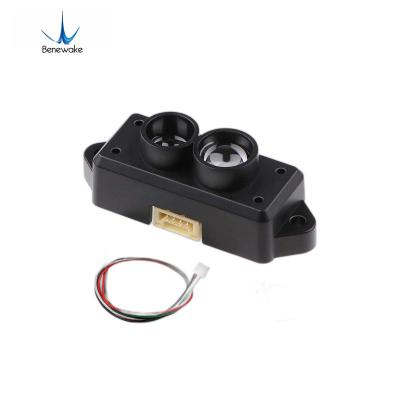
Benewake TFmini-S LiDAR
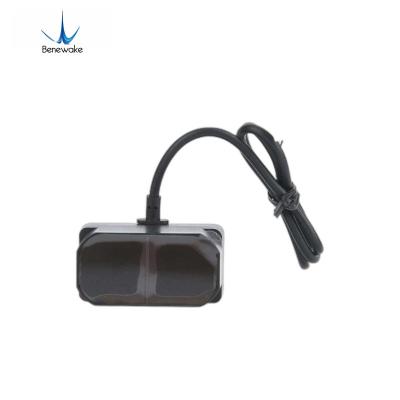
Benewake TFMini-Plus LiDAR
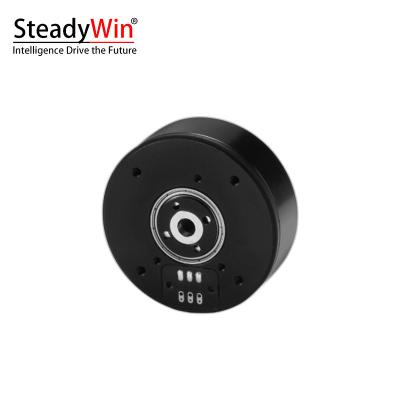
SteadyWin GB4310 Motor