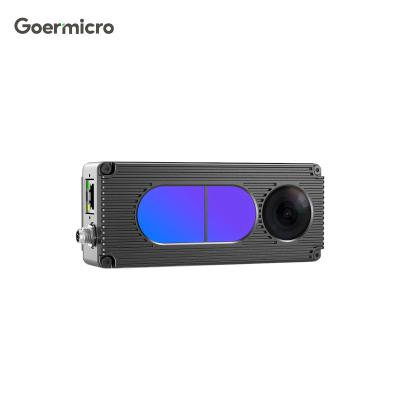







LiDAR and Range Sensors: Key Questions for Mobile Robot Buyers
 By System Admin
3 months ago
By System Admin
3 months ago
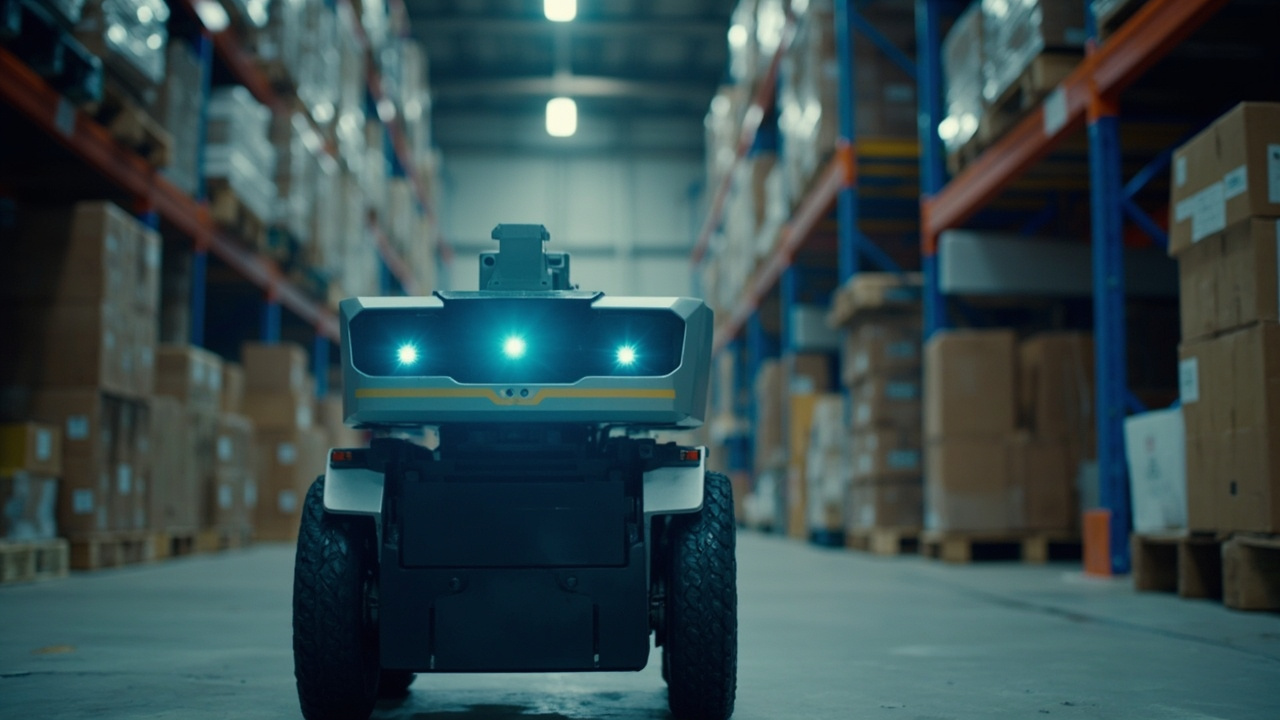
LiDAR sourcing should begin with application context rather than a headline range figure. Buyers should clarify whether the sensor supports navigation, obstacle detection, localization, mapping, or a safety-related function. Field of view, angular resolution, scan rate, environmental tolerance, and interface compatibility all influence whether the sensor will work reliably in the target robot platform.
Many robotics projects run into trouble when reflective surfaces, glass, outdoor transitions, vibration, dust, or tight traffic environments are not considered early enough. Buyers should ask suppliers how the sensor behaves in these conditions and whether they can share deployment references or test data from similar use cases. This is often more useful than simply comparing marketing specifications.
Integration discipline matters as much as sensor performance. The sourcing process should cover software compatibility, controller interface, mounting assumptions, firmware support, and diagnostic tooling. If the LiDAR will be used in an AMR, delivery robot, or industrial vehicle, buyers should confirm how the sensor fits the broader navigation and service strategy.
From a procurement standpoint, strong documentation, stable supply, and responsive engineering support can materially reduce project delay. For that reason, buyers should compare not only sensor capability but also the supplier’s track record in technical support and long-term product maintenance.
Featured Products
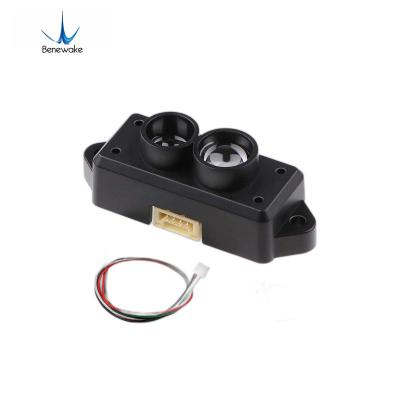
Benewake TFmini-S LiDAR
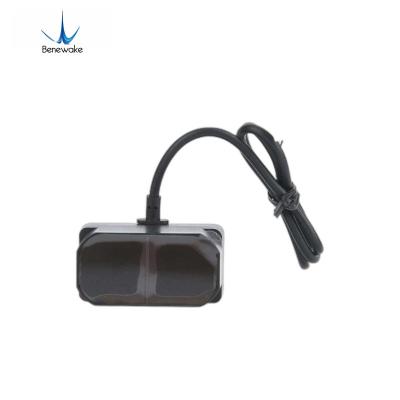
Benewake TFMini-Plus LiDAR
SteadyWin GB4310 Motor