






Servo Motors and Drives: A Sourcing Checklist for Automation Projects
 By System Admin
3 months ago
By System Admin
3 months ago

Servo sourcing is often underestimated because buyers focus on rated torque and speed while overlooking system compatibility. In real automation projects, inertia matching, encoder selection, drive tuning workflow, communication protocol, and thermal behavior all influence whether the motion system will operate reliably once installed.
Supplier evaluation should include overload characteristics, fieldbus support, commissioning tools, alarm diagnostics, replacement availability, and examples of how the servo package is used in applications similar to the buyer’s own project. For robotics, packaging machinery, indexing systems, or precision handling cells, stable control performance matters as much as raw motor capability.
Buyers should also understand how the servo drive integrates into the wider control environment. That includes PLC compatibility, controller interface, software tooling, and the vendor’s ability to support tuning or troubleshooting during startup. A strong product becomes much more valuable when the supplier can shorten commissioning time and reduce integration uncertainty.
Commercially, servo systems should be compared on lifecycle support, firmware stability, and regional service structure. These factors affect future maintenance cost and project resilience just as much as the original quotation does.
Featured Products
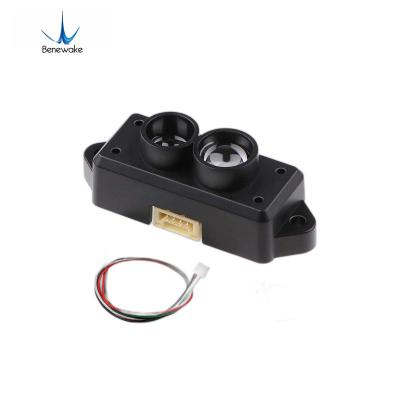
Benewake TFmini-S LiDAR
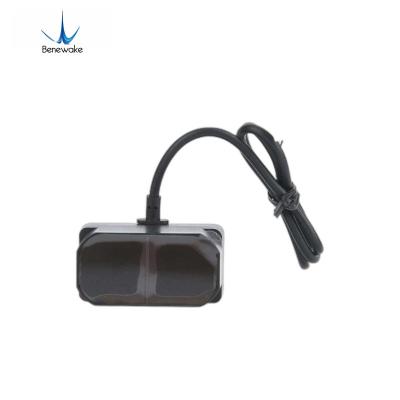
Benewake TFMini-Plus LiDAR
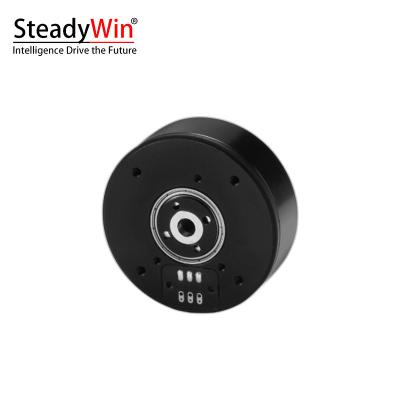
SteadyWin GB4310 Motor