






How to Source Industrial Robots for Real Production Projects
 By System Admin
2 weeks ago
By System Admin
2 weeks ago
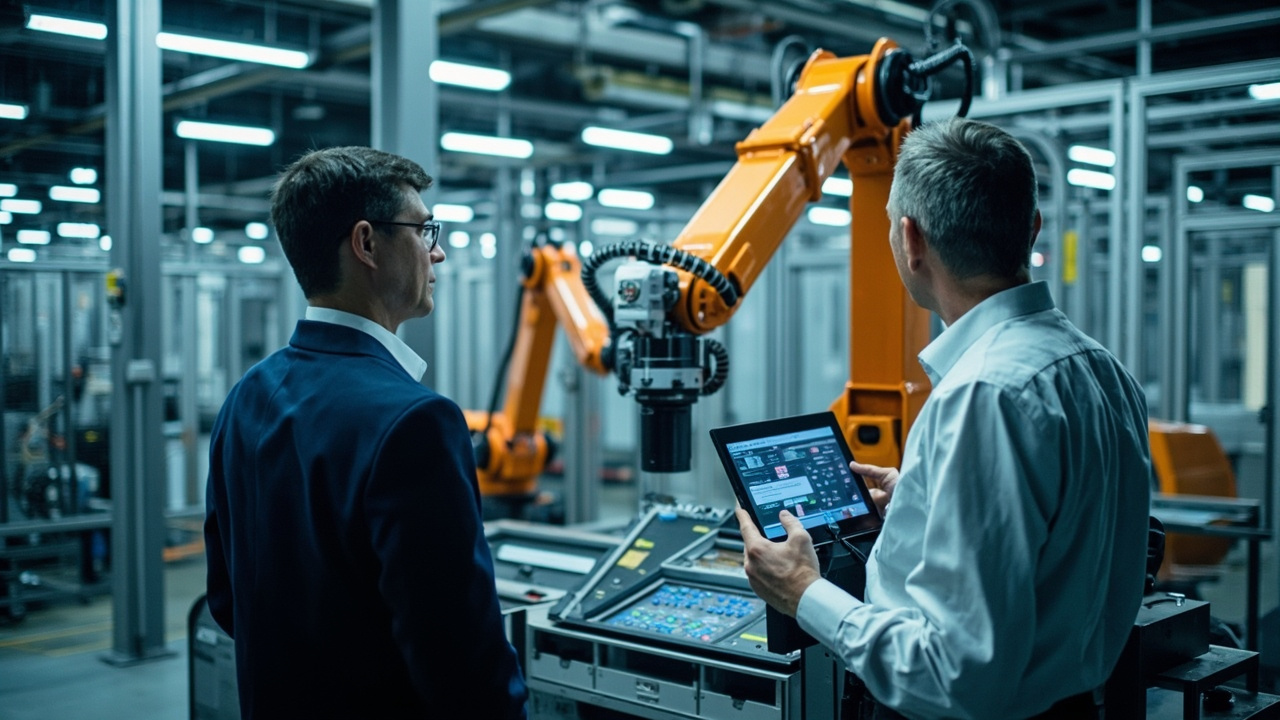
Industrial robot sourcing should start with a production requirement, not a product catalog. Buyers need to define payload, reach, repeatability, cycle-time target, mounting direction, tooling constraints, and the upstream and downstream equipment involved. A robot that appears suitable on paper may still be a poor fit if its control ecosystem, safety architecture, or integration workflow does not match the actual line requirement.
Professional supplier evaluation goes beyond list price. Buyers should request documentation on controller platform, programming environment, communication interfaces, certification status, maintenance expectations, and application references that resemble the target use case. For welding, machine tending, palletizing, pick-and-place, or inspection projects, it is also important to confirm end-effector support, commissioning capability, and spare-parts coverage before the shortlist is finalized.
A better RFQ separates technical alignment from commercial comparison. Once the supplier understands the application, buyers can compare response quality, lead-time realism, engineering discipline, and after-sales readiness with much greater confidence. This reduces the chance of choosing a low-price option that later introduces integration delays, hidden accessory costs, or weak service support during deployment.
For teams sourcing robots for real production environments, internal alignment matters as much as vendor outreach. Operations, engineering, safety, and procurement stakeholders should agree on the required performance baseline before the first inquiry is sent. That creates a more credible sourcing brief, shortens clarification cycles, and improves supplier-side proposal quality from the start.
Featured Products
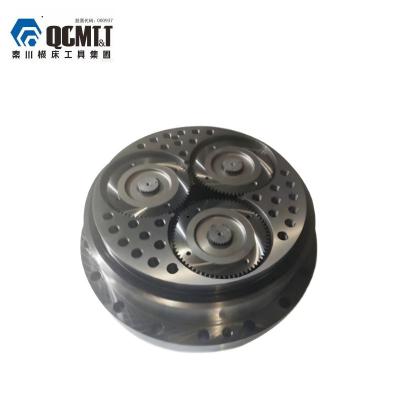
Qinchuan BX700F Reducer
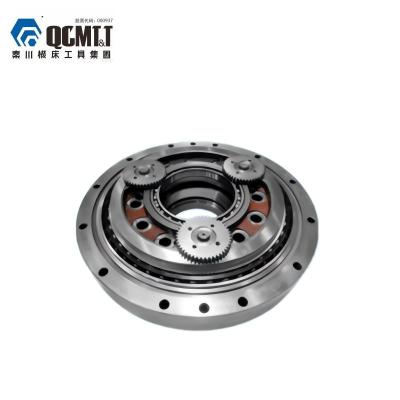
Qinchuan BX320CA Reducer
YDLIDAR TW3 LiDAR