







A successful warehouse amr fleets rollout rarely begins with equipment selection alone. It begins with scope discipline. The buyer, plant team, and supplier need a shared view of what part of the workflow is being automated, what manual work remains, and how the project will be judged once real production begins.
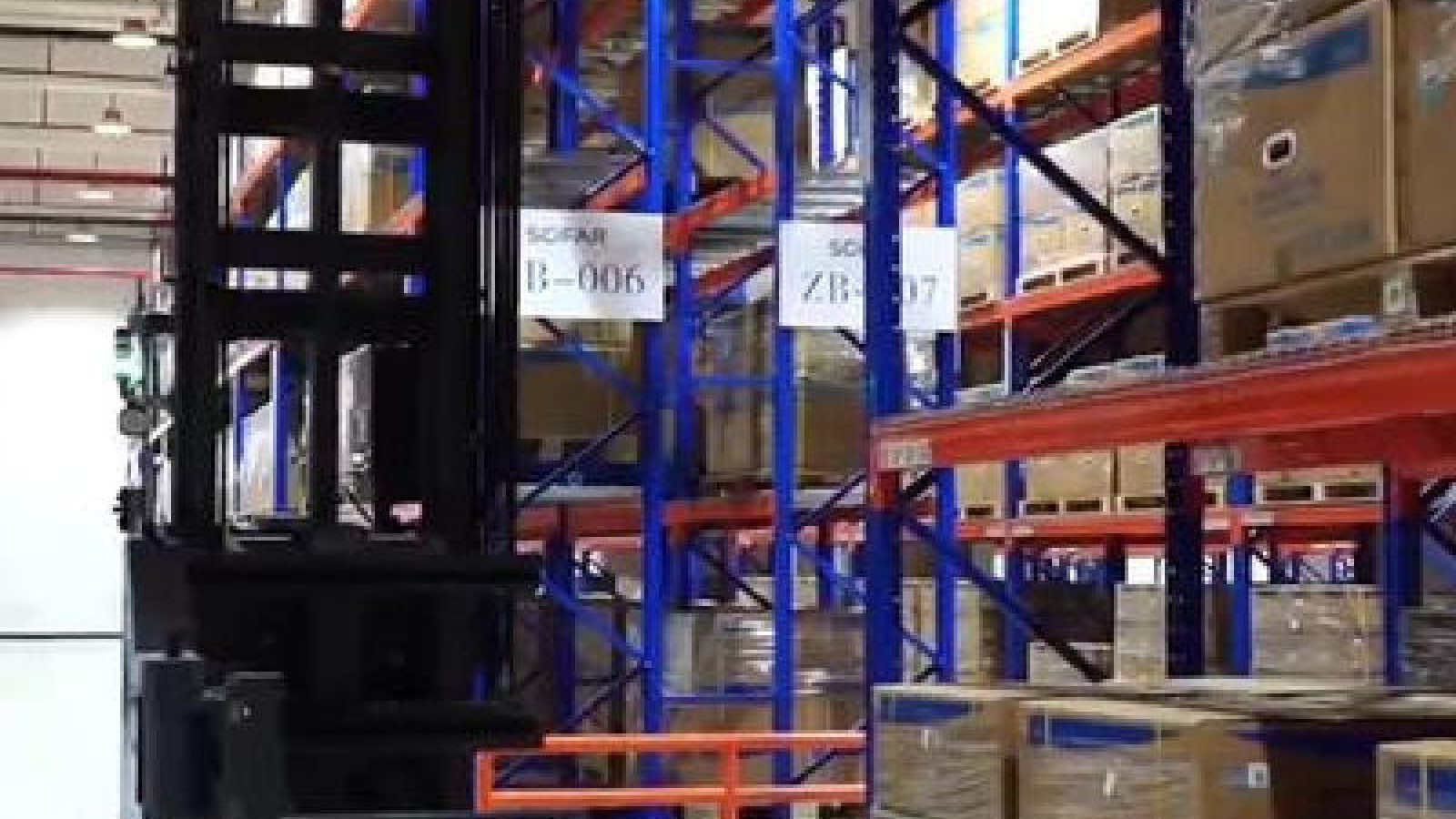
For distribution and warehouse operations, the early phase works best when the pilot reflects the realities of route planning, fleet control, docking strategy, and traffic behavior under changing warehouse demand. That means testing against actual shift conditions, realistic product variation, and the real bottlenecks that make the project commercially important in the first place.
What Good Rollouts Measure Early
Strong rollout teams align stakeholders before they chase speed. They clarify acceptance logic, operator interaction, maintenance ownership, and what happens if the project exposes hidden line constraints. When that alignment is missing, the system may technically run but still fail the business case.
- Define the production window and product mix that the pilot must represent
- Agree who signs off on process quality, cycle targets, and restart logic
- Test edge cases that expose weak software orchestration, aisle conflicts, charging bottlenecks, and poor site-fit assumptions
- Review training, spare parts, and shift-level support before go-live
- Make handover criteria explicit before the project enters SAT
Why Handover Discipline Matters
Many projects in distribution and warehouse operations underperform because the launch team treats commissioning as the finish line. In reality, the first weeks after handover often determine whether more reliable intralogistics flow, lower travel waste, and easier expansion across shifts is achieved. That period is where service responsiveness, alarm handling, and documentation quality become visible.
The better case-study lesson is simple: sites that roll out warehouse amr fleets successfully do so by controlling scope, defining support expectations, and insisting that supplier claims survive real production conditions.
Featured Products
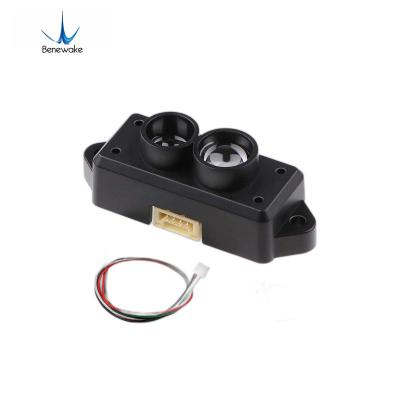
Benewake TFmini-S LiDAR
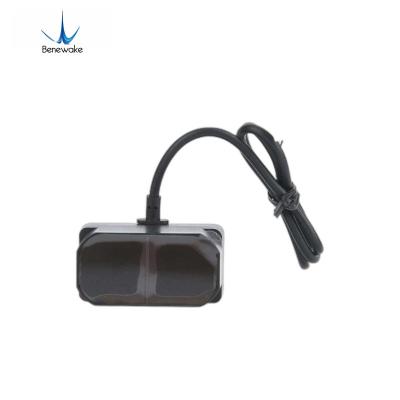
Benewake TFMini-Plus LiDAR
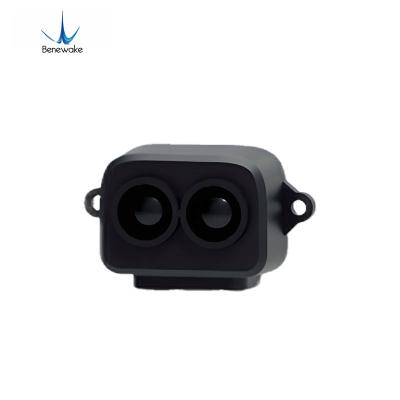
Benewake TF-Luna LiDAR