






How Buyers Are Reassessing Automotive Welding Cells Investments
 By System Admin
4 weeks ago
By System Admin
4 weeks ago
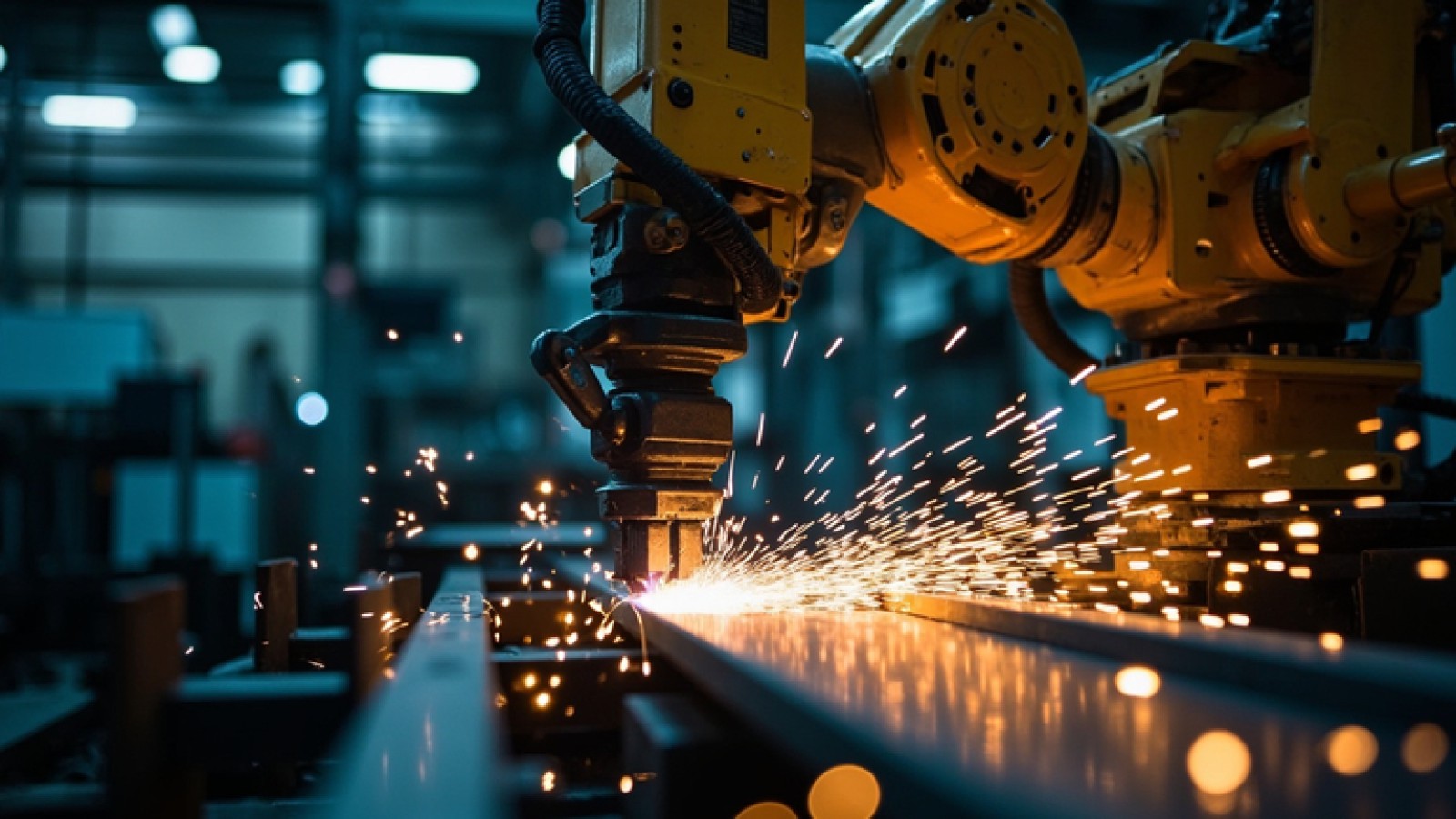
Buyers are reassessing automotive welding cells because new-model launch pressure, labor volatility, and tighter weld-traceability expectations are changing how automation budgets are approved in automotive plants. What used to be treated as a narrow equipment decision is now reviewed as part of a wider operating model that affects labor allocation, line stability, and launch risk.
In this market, procurement teams are not only asking whether the automation can run the task. They are asking whether the supplier understands robotic arc welding, seam repeatability, fixture discipline, and downstream quality protection well enough to support a live production environment. That distinction matters because weak project framing often leads to attractive quotations that break down during integration.
Why Buyer Expectations Are Rising
Across tier-one body, chassis, and component suppliers, buyers want more than equipment specifications. They want evidence that the supplier can manage practical constraints, reduce the project pain around cycle drift, consumable inconsistency, fixture variation, and weak commissioning support, and help the site achieve stable weld quality, predictable takt time, and less downstream rework. This is especially true when the project has to fit a brownfield line, a tight launch window, or a high-mix production environment.
- Ask for references in similar weld geometries and line speeds
- Require clarity on fixture responsibility and line-side acceptance scope
- Compare consumables strategy, spare parts, and service escalation routes
- Review commissioning assumptions before treating quotations as comparable
- Confirm how the supplier supports ramp-up after SOP, not only FAT
What Stronger Vendors Demonstrate
The strongest vendors usually show discipline in application scoping, documentation, service planning, and acceptance logic. They can explain where the likely failure points sit, what has to be validated before FAT and SAT, and how the site should think about spare parts, training, and change control after handover.
That is why this market is maturing. Buyers in automotive plants are comparing process maturity, not just hardware. Suppliers that can support commercial clarity around automotive welding cells will usually have a stronger long-term position than vendors that compete on entry price alone.
Featured Products
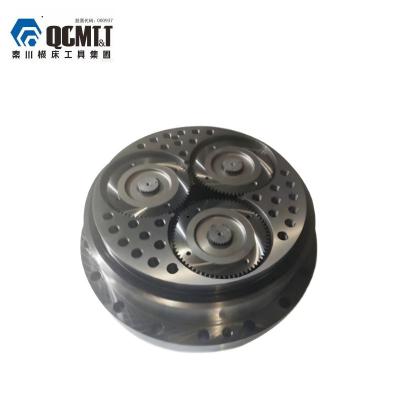
Qinchuan BX700F Reducer
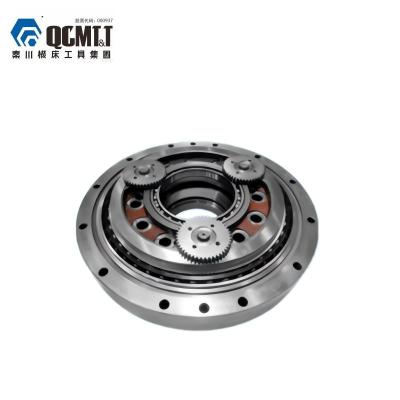
Qinchuan BX320CA Reducer
YDLIDAR TW3 LiDAR