






What Buyers Should Ask Before Choosing an AMR or AGV Supplier
 By System Admin
3 months ago
By System Admin
3 months ago

AMR and AGV sourcing should be treated as a deployment decision rather than a hardware purchase. Buyers need to examine navigation method, charging model, payload handling, fleet traffic logic, site mapping workflow, and the software layer that coordinates missions. A vehicle that performs well in a demo area may not perform well in a crowded warehouse, mixed-production site, or facility with complex traffic rules and lift integration.
Supplier assessment should include commissioning process, software integration capability, route modification policy, and how the vendor supports pilot-stage projects that later scale into larger fleets. Buyers should ask what happens when site conditions change, how traffic conflicts are handled, how battery replacement is managed, and how the supplier supports remote troubleshooting or software updates after launch.
Commercial proposals become more meaningful when the buyer shares route length, payload, duty cycle, shift pattern, floor conditions, docking requirements, and interface expectations in the initial RFQ. This helps suppliers respond with realistic deployment assumptions rather than generic vehicle recommendations. It also makes it easier to distinguish true deployment partners from vendors that only provide equipment descriptions.
For long-term operating value, buyers should compare software maintainability, parts availability, on-site support options, and the supplier’s record in post-launch expansion. AMR and AGV sourcing is ultimately about how reliably the system will perform in a live operation, not just how well the platform looks in a proposal deck.
Featured Products
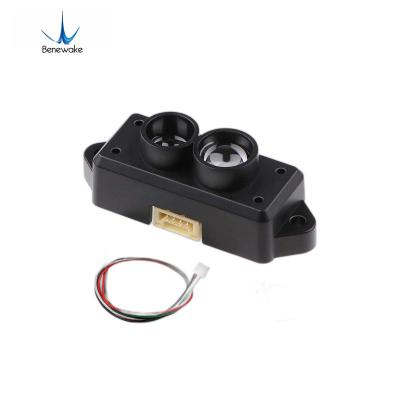
Benewake TFmini-S LiDAR
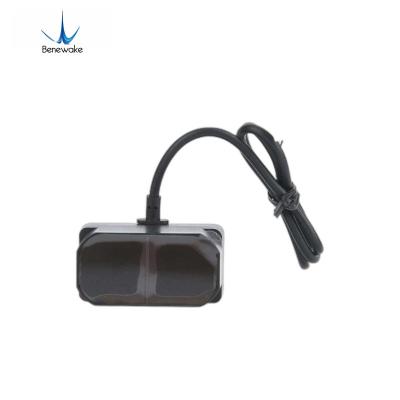
Benewake TFMini-Plus LiDAR
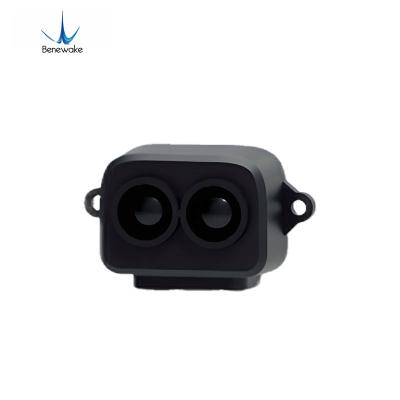
Benewake TF-Luna LiDAR