






6-Axis, SCARA, or Delta: Which Robot Type Fits Your Line?
 By System Admin
3 months ago
By System Admin
3 months ago
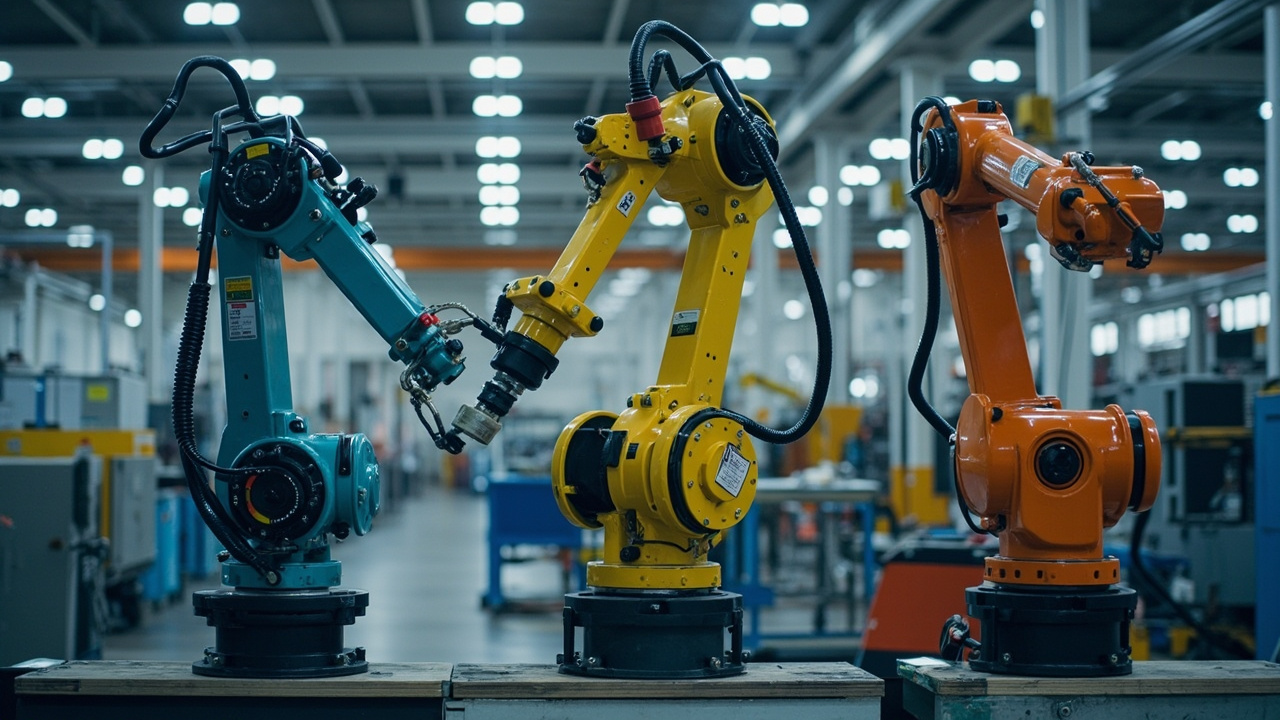
Robot architecture should be selected according to motion requirement, workspace limitation, throughput expectation, and future line flexibility. Six-axis robots remain the most versatile option for operations such as welding, material handling, machine tending, polishing, and multi-orientation positioning. Their value lies in motion freedom and application range, especially when production tasks may evolve after deployment.
SCARA robots are typically a strong choice for compact assembly, high-speed insertion, and pick-and-place operations where horizontal reach and repeatable vertical motion are critical. Delta robots perform best in lightweight, high-speed transfer tasks such as packaging, sorting, and rapid product handling. Each architecture offers a different balance of speed, dexterity, footprint, and system complexity.
From a sourcing perspective, buyers should compare more than robot form factor. The controller ecosystem, software maturity, spare-parts availability, integrator familiarity, and long-term service network can matter as much as the mechanical design itself. A technically appropriate robot becomes commercially stronger when it is backed by stable support and proven deployment experience.
Teams evaluating robot type should also consider expansion risk. If the production line may later require vision, force control, additional axes, or product changeovers, flexibility becomes a strategic factor. In many real projects, the best robot is not the fastest on paper but the one that supports the widest stable operating window across current and future production conditions.
Featured Products
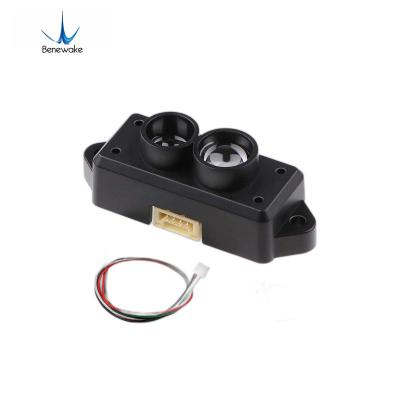
Benewake TFmini-S LiDAR
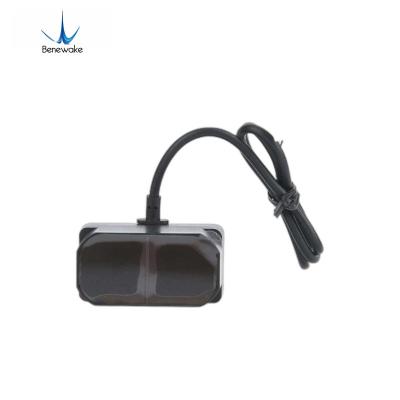
Benewake TFMini-Plus LiDAR
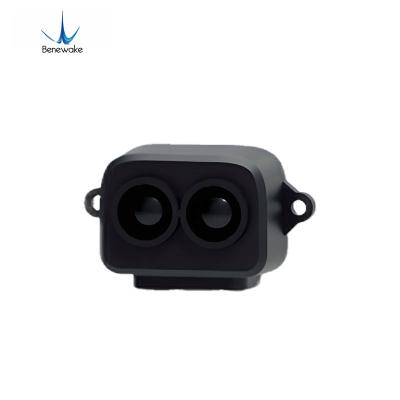
Benewake TF-Luna LiDAR