






Selecting the Right Robotic Gripper for Different End-Use Tasks
 By System Admin
3 months ago
By System Admin
3 months ago
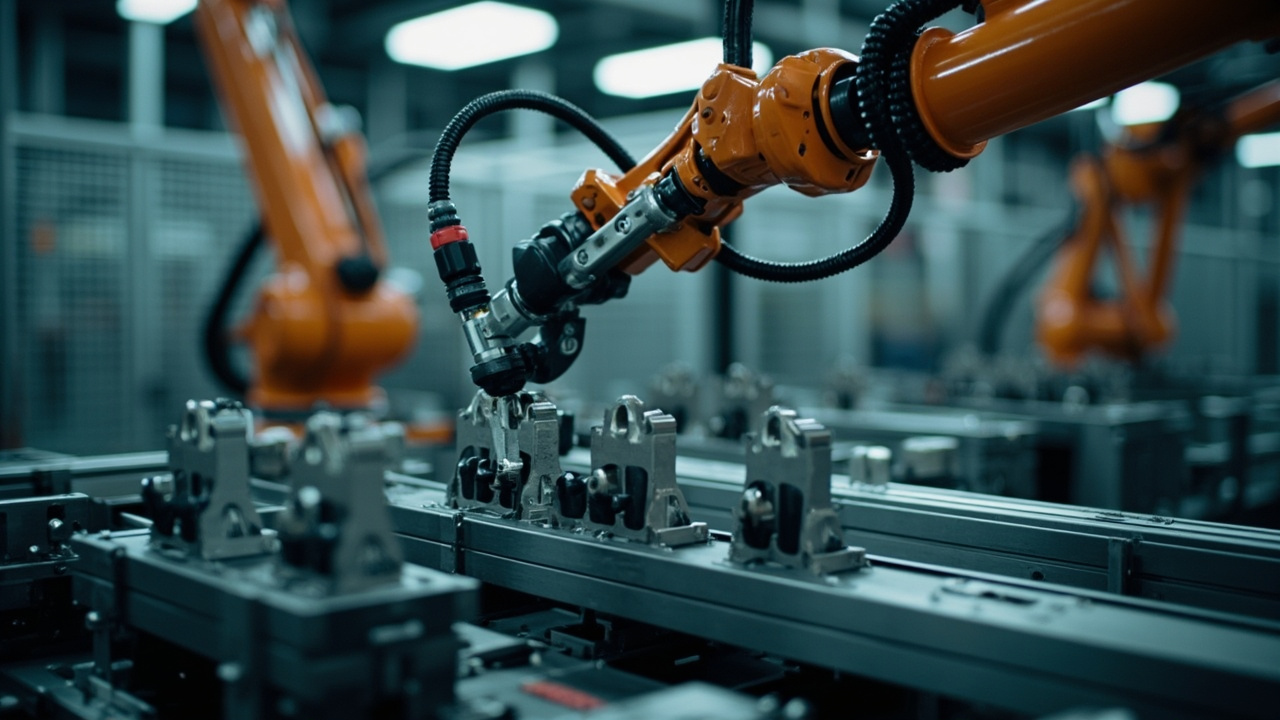
Gripper selection should start with the workpiece and process, not the actuator type. Buyers need to define object geometry, surface condition, payload variation, cycle rate, cleanliness requirement, allowable marking, and whether the task involves frequent product changeover. A gripper that works well in packaging may be completely unsuitable for CNC tending, electronics handling, or collaborative assembly.
Electric grippers often fit applications that require programmable positioning, force adjustment, digital diagnostics, or cleaner installation. Pneumatic grippers remain effective for straightforward high-cycle tasks, while vacuum systems are strong for many sheet and packaging applications. Adaptive gripping solutions are valuable when part variation is high or the product is fragile enough to require more forgiving contact behavior.
Supplier evaluation should include grip force range, stroke, mounting and control interfaces, spare jaw availability, response speed, maintenance expectations, and examples of similar use cases. Buyers also benefit from asking for application videos, integration references, and recommendations on sensing or compliance layers that may improve process stability.
From a B2B sourcing perspective, the goal is not simply to select a gripper with attractive specifications. The goal is to reduce handling failure, simplify integration, and maintain uptime once the end effector becomes part of a production sequence. That makes lifecycle support and documentation quality part of the procurement decision.
Featured Products
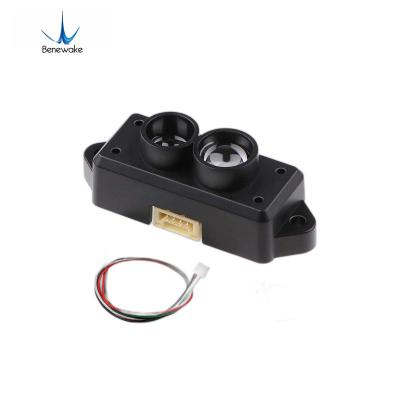
Benewake TFmini-S LiDAR
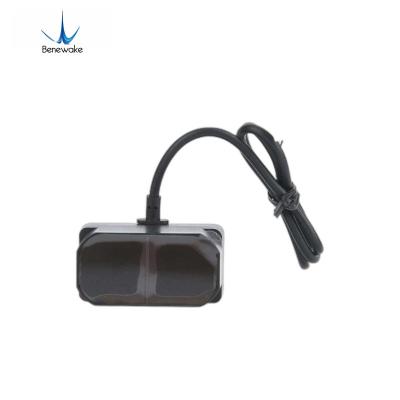
Benewake TFMini-Plus LiDAR
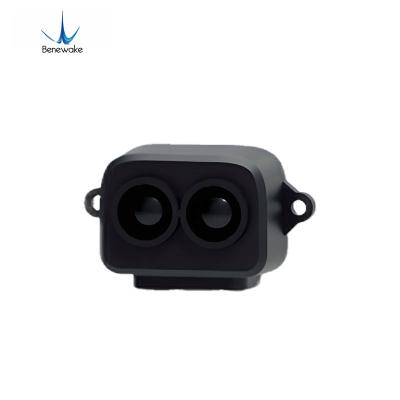
Benewake TF-Luna LiDAR