






Choosing Compute Hardware for Robotics AI: Embedded Modules, Industrial PCs, or Hybrid Cloud
 By System Admin
5 days ago
By System Admin
5 days ago

Choosing compute hardware for robotics AI is a sourcing decision with long operational consequences. Buyers often begin by asking how much processing power is needed for detection, planning, or inference. That is important, but it is only one part of the answer. The better question is which compute architecture matches the reliability, latency, maintainability, and service model of the site where the robot will actually run.
For many robotics projects, the realistic options fall into three categories: embedded compute modules integrated into the machine, industrial PCs serving as the local AI and integration layer, or hybrid architectures where edge devices handle time-critical functions while cloud services support analytics, orchestration, or heavier model workflows. Each option brings a different balance of flexibility and operational burden.
Embedded Compute Works Best When The Machine Must Stay Self-Contained
Embedded modules can be attractive for compact robots, mobile systems, and packaged equipment where space, power efficiency, and controlled deployment matter more than broad customization. They can shorten the integration path when the OEM has already validated the software stack and offers a stable update method. Buyers should still check how easily the module can be serviced or replaced if availability becomes a problem.
Industrial PCs Remain The Workhorse For Flexible Integration
Industrial PCs are often the most practical choice when the project needs multiple interfaces, richer logging, local databases, or visualization layers. They can bridge robots, cameras, PLCs, MES, and operator workflows in ways that embedded devices sometimes cannot. For buyers, the main trade-off is that broader flexibility can also create more responsibility around maintenance, cybersecurity, and system standardization.
Hybrid Cloud Requires Strong Governance, Not Just Connectivity
Hybrid cloud architectures can make sense when manufacturers want fleet-level monitoring, model lifecycle management, or centralized reporting across many sites. However, buyers should not assume that cloud involvement automatically improves the local production result. Time-critical robotics decisions still need deterministic local execution. The cloud layer should be added because it improves visibility or coordination, not because it sounds more advanced.
- Latency tolerance for the core production task
- Local maintenance capability at the destination site
- Spare-parts and replacement strategy for the compute platform
- Network governance and cybersecurity approval requirements
- Future need for multi-station analytics or model management
Procurement Should Follow The Service Model
The smartest compute decision is usually the one that fits the service model the buyer can realistically support. A highly flexible architecture may underperform if the plant cannot maintain it. A compact embedded architecture may create cost later if the application expands beyond what the original package can handle. Buyers who evaluate compute through lifecycle support, not just technical appeal, usually achieve more stable AI deployments in robotics.
Featured Products
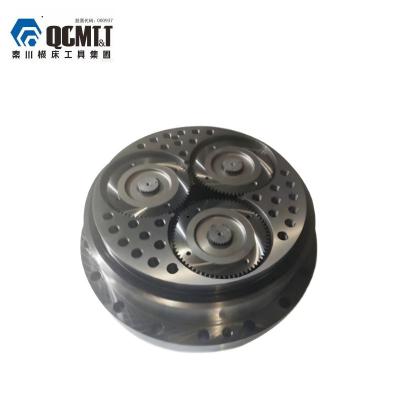
Qinchuan BX700F Reducer
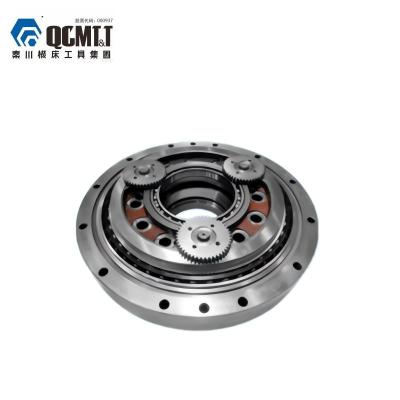
Qinchuan BX320CA Reducer
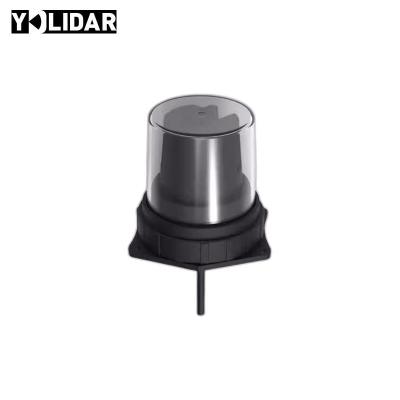
YDLIDAR TW3 LiDAR