







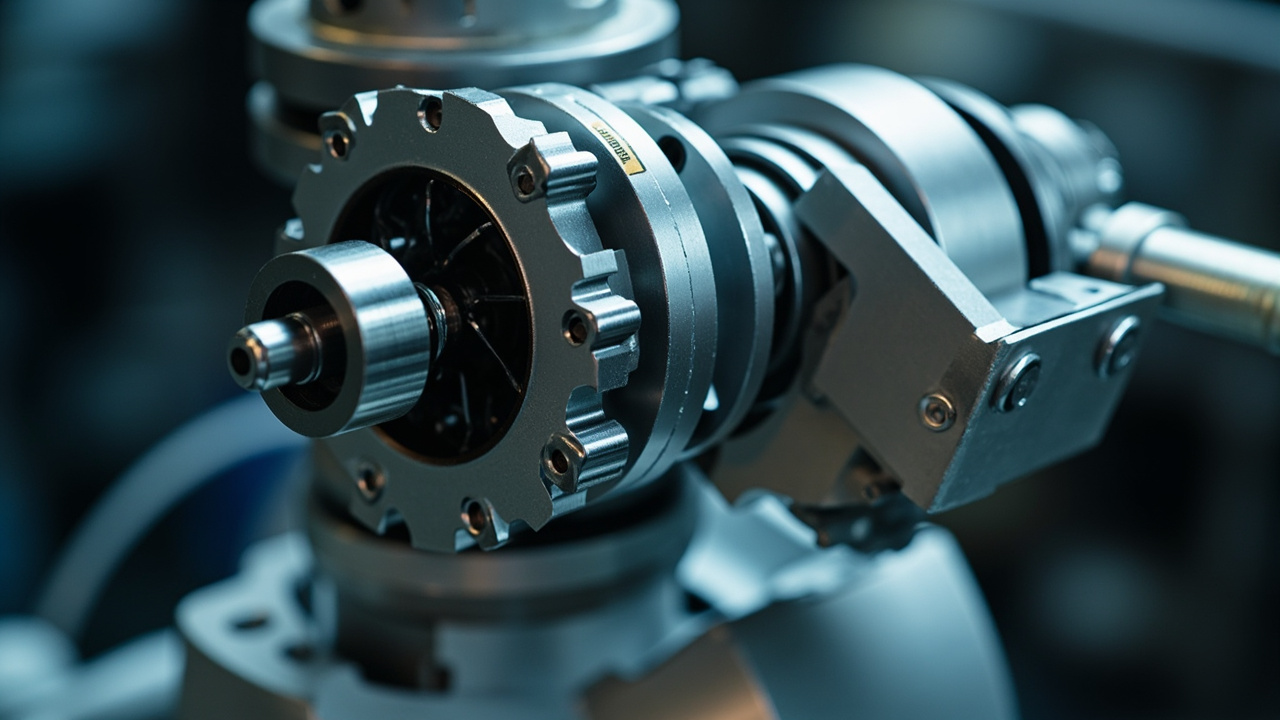
Precision reducers directly affect repeatability, stiffness, servo response, and long-term durability in robotic joints. Buyers comparing harmonic reducers, RV reducers, and other precision transmission options should start with real joint requirements rather than catalog positioning. Torque range, backlash target, efficiency, mounting format, and expected duty cycle all shape whether the reducer is suitable for the actual application.
Technical due diligence should include how rated life was calculated, under what conditions performance data was measured, and whether the supplier can provide dimensional drawings, torque curves, efficiency data, and environmental limitations. For robotics programs with long validation windows, the consistency of manufacturing and inspection quality is just as important as the headline specification.
A good reducer supplier should also be able to explain integration context. Buyers benefit from understanding how the reducer is paired with servo motors, encoders, bearings, and mechanical housing in real robotic assemblies. Without this broader perspective, it is easy to choose a component that looks strong in isolation but becomes harder to validate in the full joint system.
Commercially, precision reducers should be evaluated on supply continuity, quality traceability, replacement lead time, and production stability. These factors matter especially when the reducer is deployed in multi-axis robots, custom robotic systems, or production equipment where downtime exposure and serviceability are part of the procurement decision.
Featured Products
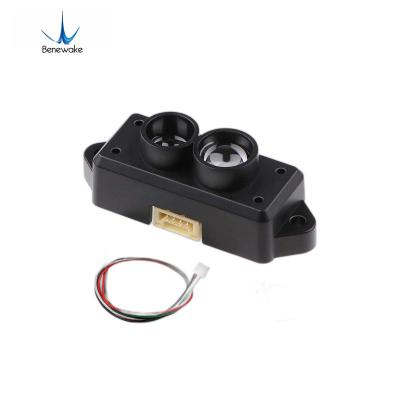
Benewake TFmini-S LiDAR
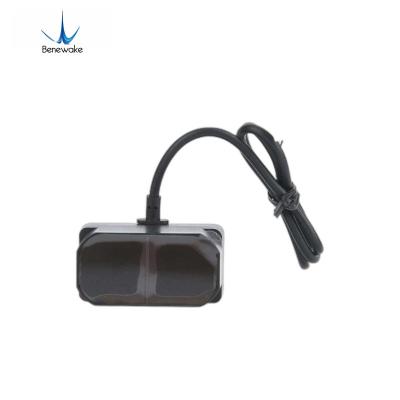
Benewake TFMini-Plus LiDAR
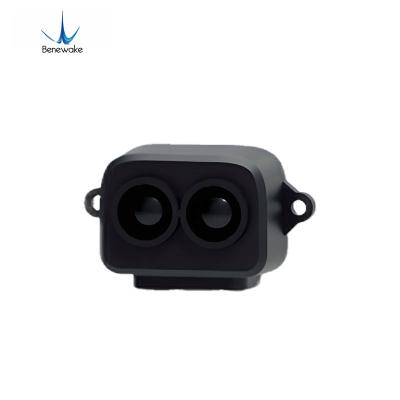
Benewake TF-Luna LiDAR