






How Buyers Evaluate Robot Controller and Software Ecosystems
 By System Admin
1 week ago
By System Admin
1 week ago

Buyers evaluating robotic systems often focus on arm mechanics while underestimating the importance of the controller and software stack. In practice, programming workflow, communication support, diagnostics, safety configuration, extensibility, and integration tooling all influence how quickly the system can be deployed and how easily it can be maintained over time.
A strong controller ecosystem supports both present and future requirements. Buyers should ask whether the platform works well with common PLCs, fieldbus protocols, vision systems, force-control tools, and remote service expectations. If the robot is likely to be expanded with peripherals or additional process steps, software flexibility becomes a strategic factor in sourcing.
Documentation and training quality also matter. A controller that is technically capable but difficult to configure, troubleshoot, or hand over to local teams can introduce hidden operating cost. Suppliers should therefore be compared on programming environment usability, technical manuals, error handling support, and commissioning guidance.
From a market perspective, controller ecosystems often shape long-term platform loyalty. Buyers that choose controllers with stronger tooling, broader integrator familiarity, and more reliable service support usually create a more resilient automation base for future projects.
Featured Products
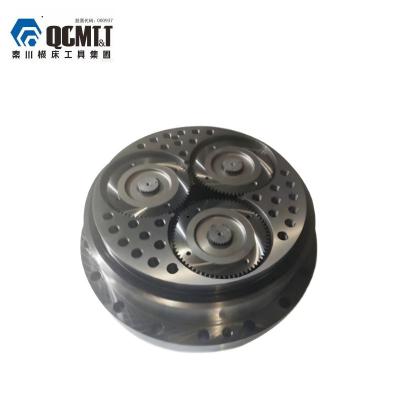
Qinchuan BX700F Reducer
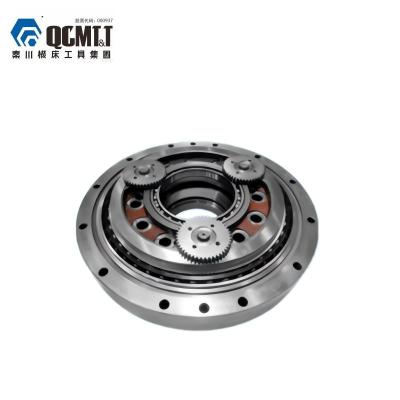
Qinchuan BX320CA Reducer
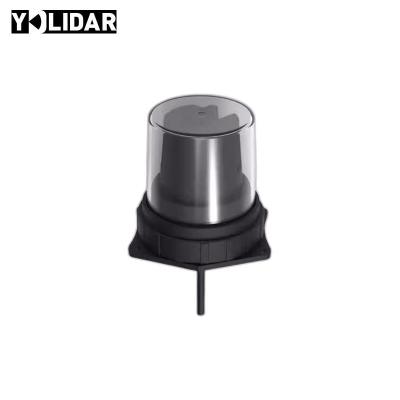
YDLIDAR TW3 LiDAR