






How Manufacturers Roll Out AI-Assisted Robot Programming Without Disrupting Production
 By System Admin
3 months ago
By System Admin
3 months ago

Manufacturers are increasingly interested in AI-assisted robot programming because it promises faster setup, easier path planning, and less dependence on a small number of specialist engineers. The opportunity is real, but the rollout has to be managed carefully. Production teams do not need a dramatic software experiment. They need a structured way to improve programming efficiency without introducing instability into validated operations.
The best rollouts begin by selecting tasks where programming effort is repetitive, the motion envelope is well understood, and the existing process already has a stable safety framework. That might include palletizing variants, simple pick-and-place trajectories, parameterized tending routines, or offline preparation for families of similar parts. These are safer starting points than highly specialized processes where small deviations can create large process consequences.
Treat AI Assistance As A Controlled Layer, Not A Replacement For Governance
Buyers and plant managers should expect the supplier to explain exactly where AI is used in the workflow. Is it generating draft paths, proposing program structure, recommending parameters, or translating operator intent into code templates? Each of these has different validation implications. The strongest suppliers are transparent about where human approval remains mandatory and how generated changes are reviewed before release.
A Good Rollout Protects Uptime First
- Begin with offline programming or non-critical changeovers
- Require version control and rollback for every generated adjustment
- Keep existing validated programs available as fallback references
- Train local engineers on review workflow before enabling wider use
- Measure setup-time improvement alongside quality and downtime metrics
This phased structure matters because confidence is part of the implementation result. Operators and engineers will reject a tool that saves time only occasionally but creates uncertainty during urgent production changes. A careful deployment sequence lets the team see where AI assistance truly adds value and where conventional engineering review should remain the default.
Supplier Evaluation Should Focus On Traceability And Support
When comparing suppliers, buyers should ask how generated logic is documented, how approvals are recorded, and what support is available when AI-generated suggestions conflict with site standards. They should also understand licensing, update cadence, and whether the workflow is tied to a single controller ecosystem or can support broader automation planning.
Manufacturers that roll out AI-assisted robot programming successfully usually do so with discipline rather than speed. They start where the process is repeatable, make review responsibility explicit, and build trust through measurable gains. That approach turns AI from a presentation feature into a practical engineering tool that production teams are willing to keep using.
Featured Products
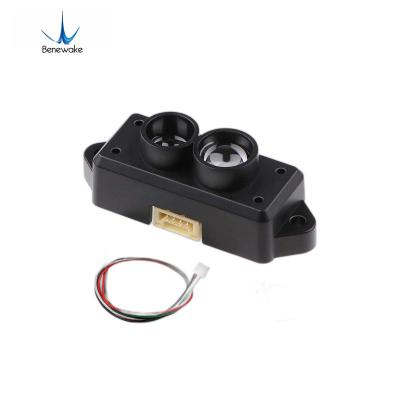
Benewake TFmini-S LiDAR
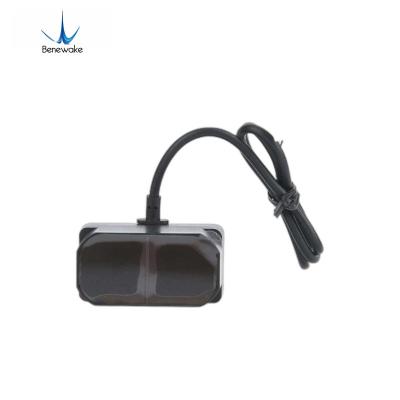
Benewake TFMini-Plus LiDAR
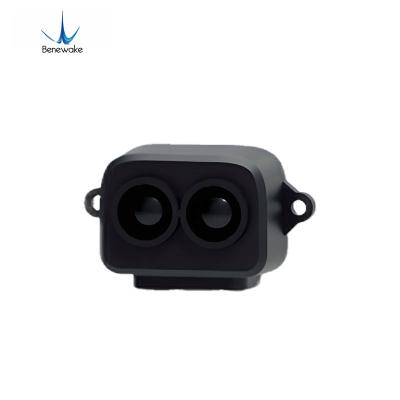
Benewake TF-Luna LiDAR