






OEM and ODM in Robotics: How to Reduce Risk Before You Commit
 By System Admin
3 months ago
By System Admin
3 months ago

OEM and ODM projects in robotics move more smoothly when scope is defined with unusual precision. Buyers should clarify design ownership, tooling responsibility, acceptance criteria, documentation standards, test methods, and revision control before detailed commercial negotiation begins. Ambiguity in these areas often creates the largest hidden cost later in the project.
Supplier evaluation should cover engineering communication quality, manufacturing discipline, validation capability, quality management process, and experience with related product architectures. It is also important to understand how the vendor handles prototype rounds, change requests, replacement parts, and product updates after the first shipment stage.
The best OEM and ODM partners treat risk control as part of the project framework. Buyers should ask how confidentiality is managed, how component substitutions are approved, how pilot-to-mass-production transition is handled, and what long-term support commitments can be documented. These questions surface real execution maturity far better than broad claims about customization ability.
From a procurement standpoint, successful OEM and ODM cooperation is not only about getting a supplier to manufacture a design. It is about establishing a stable process that protects schedule, quality, documentation continuity, and future support as the robotics product evolves.
Featured Products
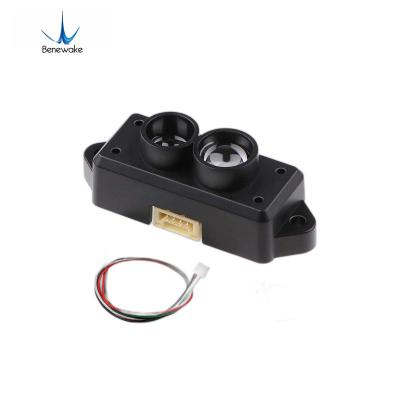
Benewake TFmini-S LiDAR
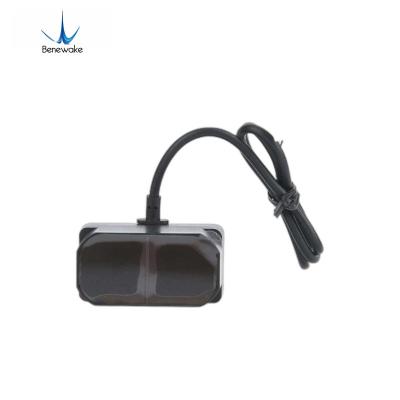
Benewake TFMini-Plus LiDAR
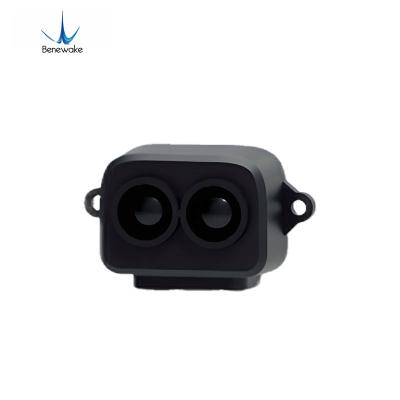
Benewake TF-Luna LiDAR