








Spare-parts planning is often postponed until after an order is placed, but for robotics procurement that can expose the buyer to avoidable downtime risk. Critical components such as controllers, reducers, servo drives, sensors, and grippers may have lead times that are incompatible with production continuity once the system is operating.
A better sourcing process ranks spare parts according to failure impact, replacement difficulty, and supplier lead-time risk. Buyers should ask which parts are stocked locally, which require factory build time, and what preventive stocking strategy the supplier recommends for the first year of operation. This is especially important for custom assemblies or imported systems with limited regional service infrastructure.
Procurement teams should also coordinate spare-parts logic with operations and maintenance teams before final purchase approval. The most useful spare-parts plan is the one that matches actual service capability, not simply a generic list of optional items. Documentation, part numbering discipline, and replacement training are therefore part of the supplier evaluation.
In many projects, strong spare-parts planning improves commercial resilience more than aggressive price negotiation does. Buyers that account for support continuity early are usually better positioned to protect uptime after installation.
Featured Products
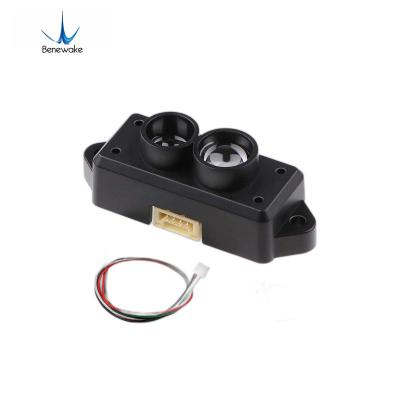
Benewake TFmini-S LiDAR
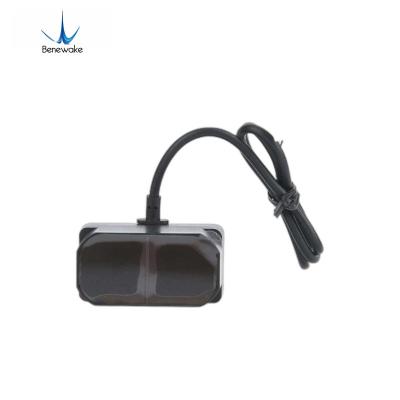
Benewake TFMini-Plus LiDAR
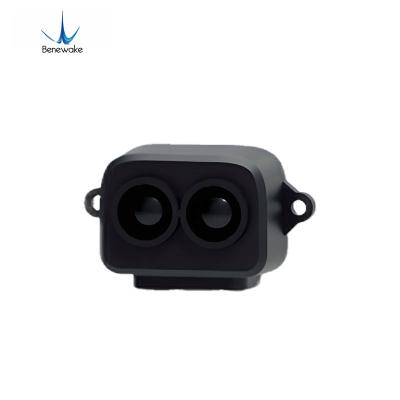
Benewake TF-Luna LiDAR