






Vision Inspection Cells: Technical Decisions That Determine Project Results
 By System Admin
1 month ago
By System Admin
1 month ago
The technical success of vision inspection cells depends less on isolated specifications than on how the full application behaves once it is tied to the production workflow. Buyers who review only payload, speed, or nominal throughput usually miss the engineering decisions that actually determine uptime.
For quality-driven manufacturing lines, the most important technical decisions typically sit around image capture, defect classification, lighting control, and handoff to robot or reject logic. These choices shape how resilient the system will be when the line faces normal production variation rather than ideal demo conditions.
Technical Questions That Change Project Results
- Lighting stability and how the system behaves across shifts and operators
- Lens, camera, and part-presentation strategy under real production conditions
- False-reject versus missed-defect balance and who approves edge cases
- Integration with PLC, robot logic, reject station, and data retention policy
- Calibration and retraining workflow when product variants change
Integration Matters More Than Spec Sheets Suggest
A technically sound project also depends on how the automation layer integrates with surrounding equipment, operator workflow, and service structure. That is why good engineering review covers controls, diagnostics, restart behavior, data visibility, and maintenance access together rather than treating them as separate workstreams.
In practice, buyers that understand these technical priorities make stronger vendor decisions. They are better positioned to challenge oversimplified quotations and more likely to achieve more stable inspection, faster defect feedback, and better process transparency once the system enters live production.
Featured Products
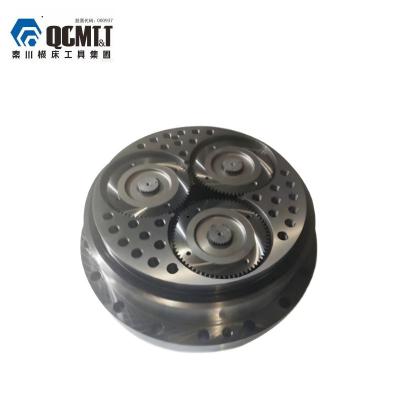
Qinchuan BX700F Reducer
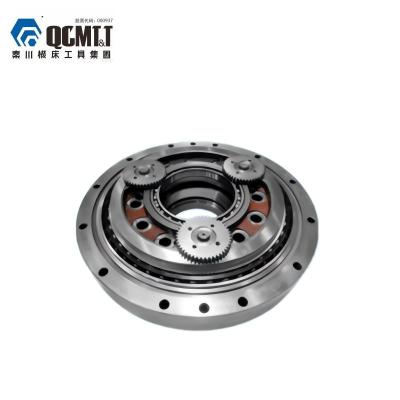
Qinchuan BX320CA Reducer
YDLIDAR TW3 LiDAR