






What a Good Pilot Looks Like for AI Defect Detection in Mid-Volume Manufacturing
 By System Admin
3 months ago
By System Admin
3 months ago
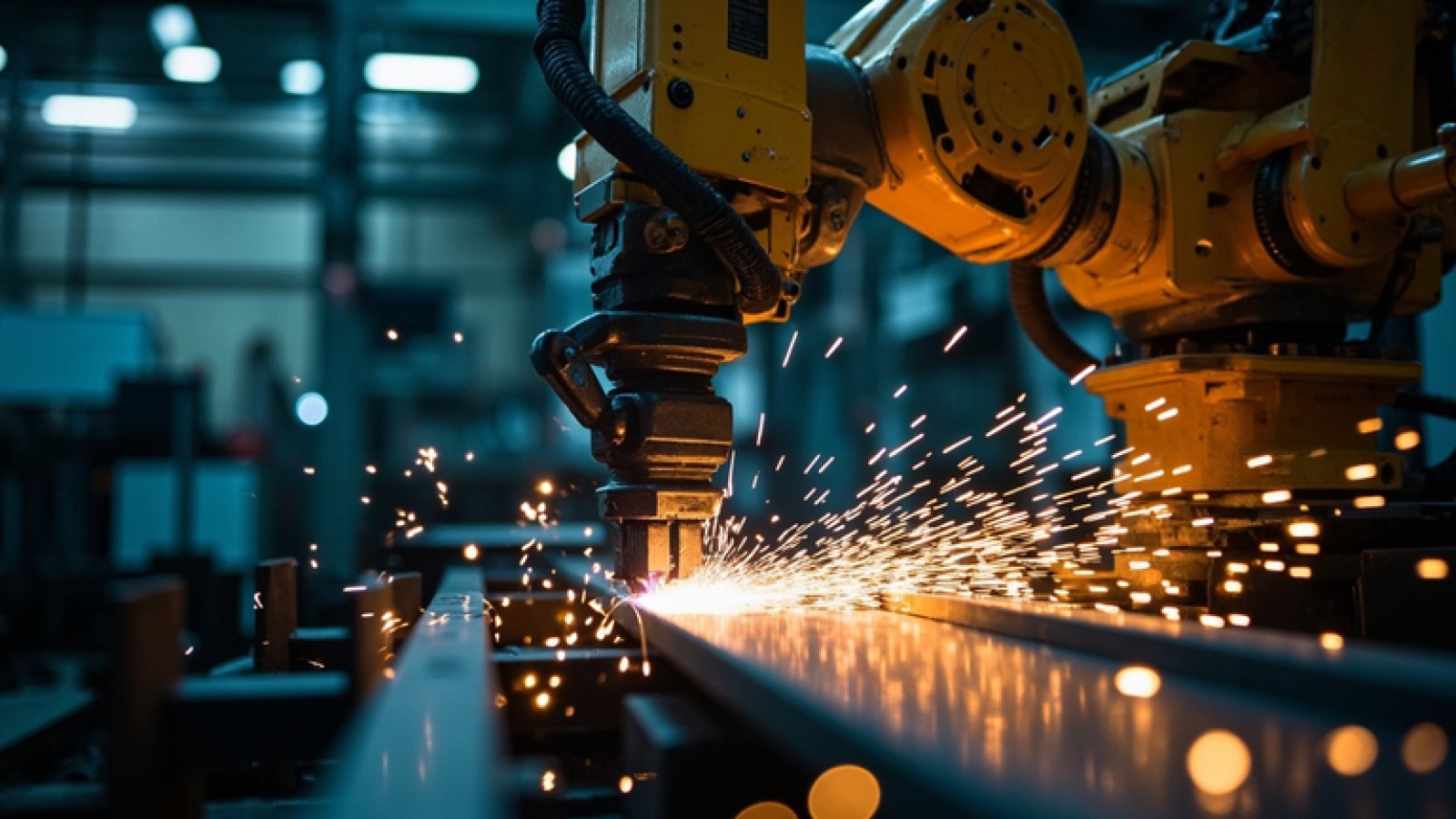
Mid-volume manufacturers are often in the most difficult position when evaluating AI defect detection. They have enough product variation to make manual inspection expensive, but not enough throughput to absorb a poorly scoped pilot. A successful pilot therefore has to be designed as a commercial decision tool, not as a generic proof that AI can identify images in a lab setting.
The strongest pilots begin with a narrow but representative process window. Instead of promising to catch every defect type immediately, the buyer and supplier select a defined part family, a stable station, and a defect list that matters financially. This reduces noise in the early phase while still producing evidence that management can trust when deciding whether to scale.
A Good Pilot Measures Operational Reality
A weak pilot often uses highly curated samples and ignores the realities of a live line. A good pilot includes normal lighting variation, realistic operator behavior, upstream inconsistency, and borderline examples that create disagreement even in manual review. The goal is to test how the inspection logic behaves under production ambiguity, because that is where commercial value is won or lost.
Buyers should ask the supplier to define exactly how samples will be collected, how labels will be approved, and who has authority over disputed classifications. These decisions are not administrative details. They directly shape whether the pilot can produce trustworthy accuracy numbers.
Commercialization Criteria Should Be Agreed Before Testing Starts
- What false reject rate is acceptable for the target process
- Which missed-defect scenarios are commercially intolerable
- How many lots or shifts must be included before sign-off
- What improvement is required over the current manual method
- Whether the pilot must prove scalability across additional SKUs
Without pre-agreed success criteria, both sides can interpret the same pilot data differently. The buyer may view the model as not robust enough, while the supplier argues that the dataset was incomplete. Commercial discipline avoids that outcome and makes expansion decisions more straightforward.
Why Mid-Volume Sites Need A Stronger Handover Plan
Mid-volume operations often run lean teams. They may not have dedicated data or automation specialists at every shift. That means the pilot should already test the future support model: how alarms are reviewed, how image records are stored, who can approve threshold changes, and how new failure modes are escalated. A pilot that only works under supplier supervision is not yet a commercialization-ready result.
In the end, a good pilot is not the one with the most impressive presentation slides. It is the one that turns uncertainty into a structured go or no-go decision. Buyers who pilot AI defect detection that way protect both capital and credibility, which is especially valuable in mid-volume manufacturing environments where every automation investment has to prove its place quickly.
Featured Products
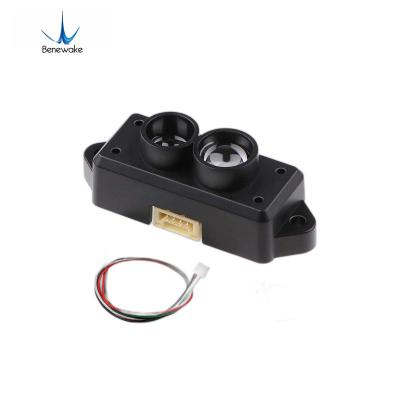
Benewake TFmini-S LiDAR
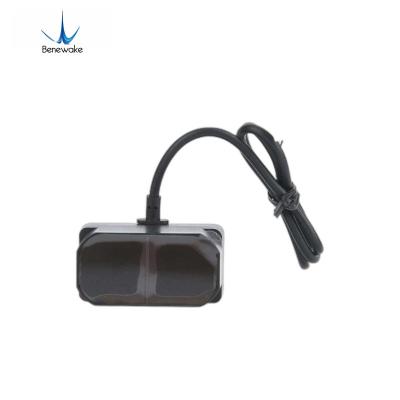
Benewake TFMini-Plus LiDAR
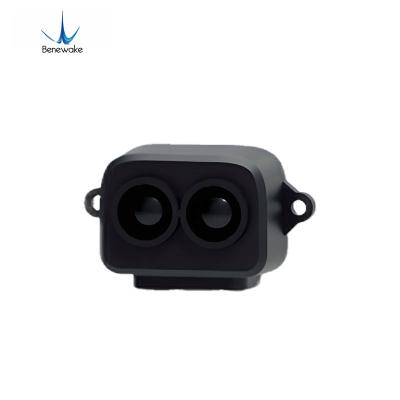
Benewake TF-Luna LiDAR