







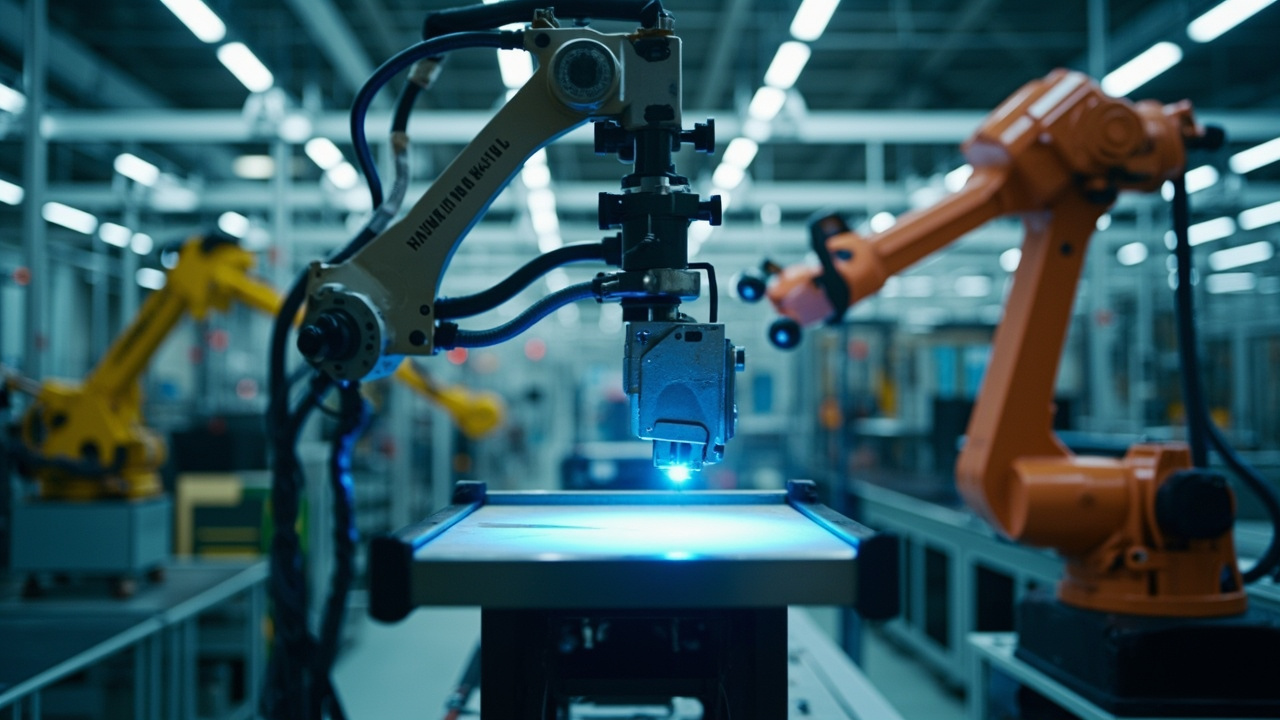
Robot vision sourcing should begin with application clarity rather than camera resolution. Buyers need to understand whether the system supports inspection, guidance, localization, measurement, or code reading, and what level of consistency is required under real production conditions. Lighting, lens choice, background variation, part presentation, and conveyor behavior often determine success more than camera specifications alone.
Supplier evaluation should cover software usability, calibration workflow, integration complexity, and how robust the system remains when conditions drift over time. Buyers should ask for deployment references, sample image data, defect examples, and guidance on how the supplier handles false positives, lighting control, and changeover between part variants.
Commercially, vision projects should be reviewed as systems rather than devices. Installation support, tuning service, spare-parts policy, and documentation quality all influence whether the solution can be maintained after initial commissioning. These questions are particularly important when the vision system becomes a process gate that affects yield and customer acceptance.
A strong sourcing process compares both technical capability and operational stability. The best supplier is rarely the one with the longest feature list alone; it is the one that can support stable, understandable, and maintainable performance in the buyer’s production environment.
Featured Products
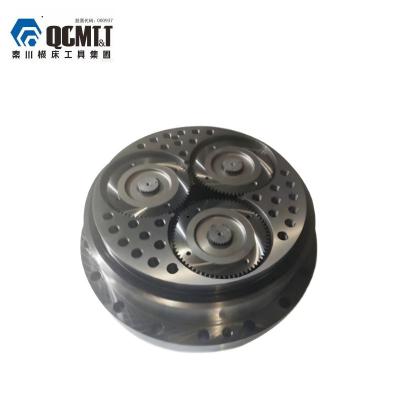
Qinchuan BX700F Reducer
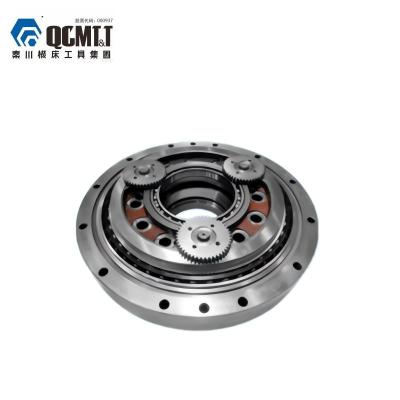
Qinchuan BX320CA Reducer
YDLIDAR TW3 LiDAR