







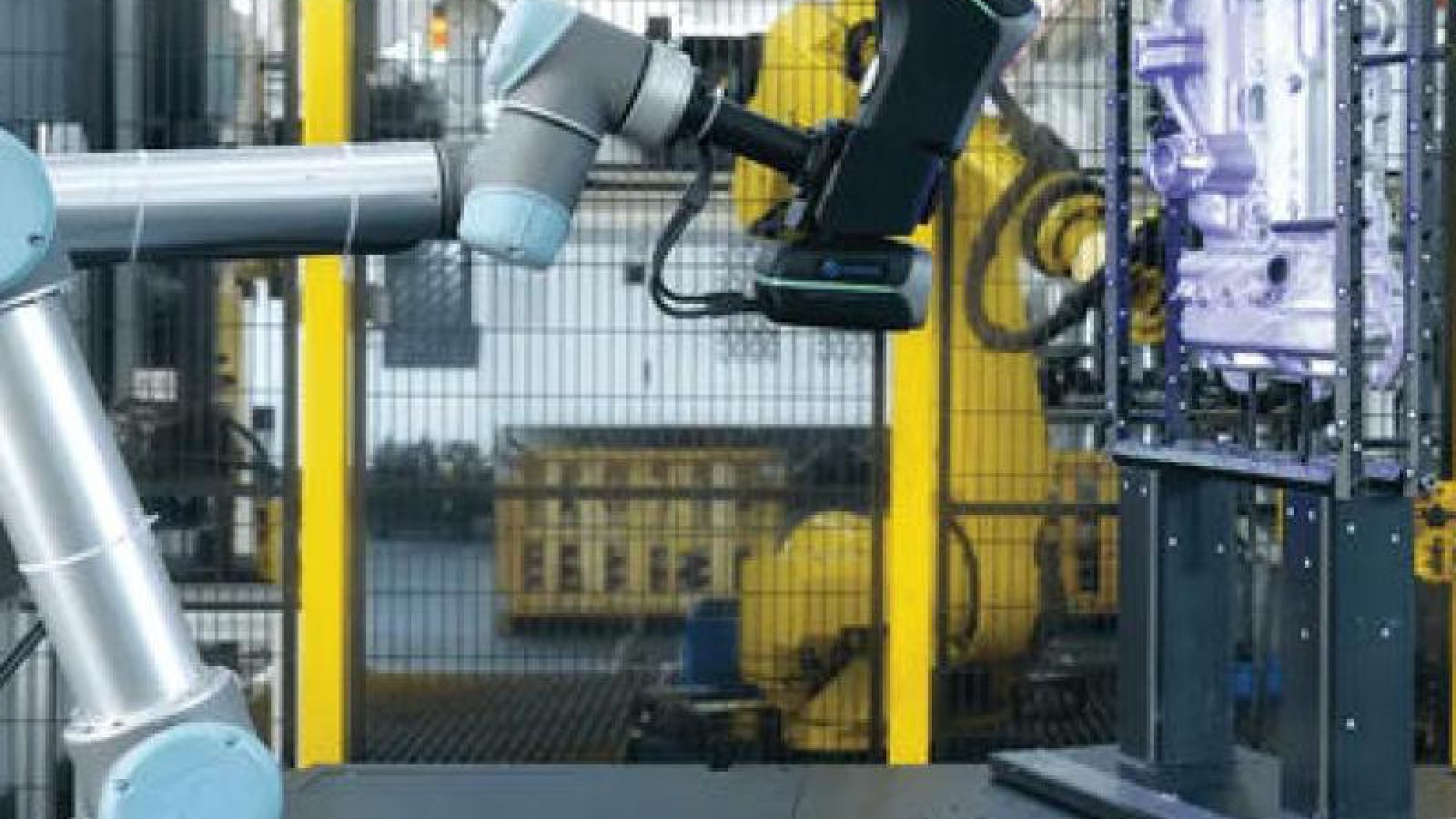
AI vision is changing robot-cell procurement long before the system reaches the factory floor. In earlier projects, many buyers could describe the mechanical task clearly and leave the camera, lighting, and software layer to the integrator. That is no longer enough. Once detection, classification, orientation guidance, or defect scoring is driven by data models rather than fixed rules alone, the buyer has to specify more about operating conditions, data variation, and acceptance criteria at the very start of sourcing.
This shift matters for B2B buyers because the commercial structure of the project also changes. A conventional cell can often be priced around hardware, installation scope, and commissioning effort. An AI-enabled vision cell introduces additional questions about sample collection, labeling responsibility, retraining policy, false rejects, version control, and post-launch tuning. If these items are not clarified in the RFQ, quotations may look comparable on the surface while hiding very different delivery assumptions underneath.
Why The Specification Stage Now Starts Earlier
In practice, AI vision projects succeed when the buyer defines the inspection or guidance problem precisely. The important questions are no longer limited to part size, line speed, and robot reach. Buyers now also need to explain defect classes, surface variability, lighting instability, expected product mix, and how often the reference standard is likely to change. A supplier that has these details can respond with a much more credible architecture and a more honest risk statement.
For robotic picking, bin handling, depalletizing, or mixed-SKU identification, the supplier also needs to know how cluttered the scene is, how consistent object presentation will be, and whether the production team can maintain data quality after handover. These issues directly affect cycle time stability and the amount of engineering effort needed for tuning. When buyers omit them, they often receive proposals that look technically impressive but are based on best-case assumptions.
Commercial Comparison Has Become More Nuanced
One of the biggest market changes is that buyers can no longer evaluate proposals using hardware BOM and installation price alone. They need to compare what training support is included, whether pilot data collection is a billable phase, how updates are handled after launch, and whether the supplier commits to measurable defect-detection or pick-success thresholds. These are the items that distinguish a reliable industrial partner from a vendor offering a loosely defined demo package.
- Whether the quotation includes dataset collection and labeling support
- Who owns retraining responsibility when new SKUs are introduced
- How false reject and false accept rates will be measured
- Whether lighting, fixturing, and image capture hardware are fully included
- What level of on-site tuning is covered after SAT or first production
Why Supplier Evaluation Is Shifting Toward Process Discipline
As AI vision becomes more common, buyers are learning that engineering process matters at least as much as the algorithm itself. A strong supplier is usually recognizable by how they structure sample requests, define edge cases, explain failure modes, and document change control. They should be able to tell the buyer what data is required before a pilot, what happens if defect rates drift, and how production teams can escalate problems without depending on a single specialist.
This is especially important for multi-site manufacturers and contract manufacturers with variable lots. The supplier must be able to support repeatability, not just one successful demonstration. Buyers should therefore review the vendor’s commissioning workflow, validation templates, and service documentation in addition to any model-performance claims. That broader diligence often prevents painful handover gaps later.
How Buyers Can Strengthen Their RFQ
A stronger RFQ for AI vision-enabled robot cells combines operational detail with commercial clarity. Buyers should describe product families, defect taxonomy, acceptable miss and reject thresholds, environment conditions, line takt, and whether the system must support future SKUs without a complete revalidation cycle. They should also request clear statements on retraining, software maintenance, support windows, and sample-approval workflow.
The result is a better comparison process. Instead of choosing between attractive slides, the buyer compares complete delivery models. That is the real market change: AI vision is pushing sourcing teams to evaluate automation suppliers as long-term process partners rather than hardware vendors alone.
Featured Products
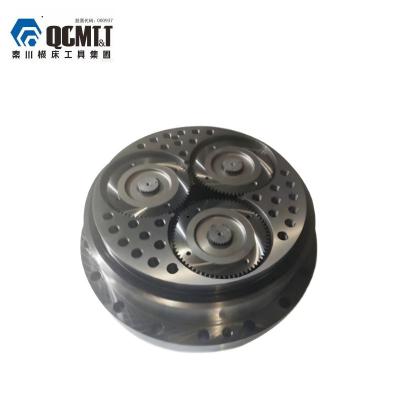
Qinchuan BX700F Reducer
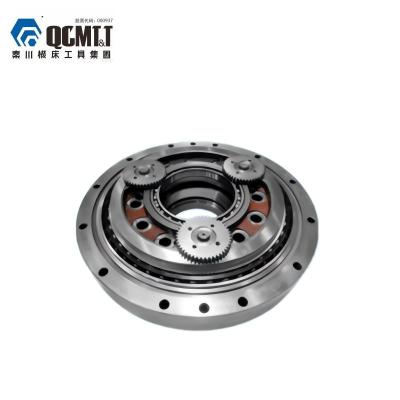
Qinchuan BX320CA Reducer
YDLIDAR TW3 LiDAR